
Why Smokers Stay Loyal to Cigarette Brands
Brand loyalty in cigarettes is one of the most stable behavior patterns in the nicotine market. Many smokers try multiple brands early on but then settle into one primary choice and remain with it for years – sometimes decades. This loyalty is not accidental and not purely about price or strength. It is built from a combination of taste memory, ritual behavior, identity signaling, and consistency expectation.
Understanding why smokers stay loyal helps explain purchasing patterns, switching resistance, and why even small product changes can trigger strong reactions. Cigarette choice is rarely random after the early experimentation phase. It becomes structured, repeated, and emotionally reinforced.
Most smokers begin their exploration inside the main cigarettes category and gradually narrow down toward one or two preferred brand families that match their habit rhythm and sensory expectations.
What “Brand Loyalty Means in Smoking Behavior
Brand loyalty in smoking does not simply mean “liking a logo. It means repeat selection under stable conditions even when alternatives are available. A loyal smoker will often:
• choose the same brand automatically
• reject close substitutes
• describe their brand as “normal or “balanced
• notice even small changes immediately
• return to the same product after experiments
This pattern shows that loyalty is not only preference – it is habit architecture.
Loyalty Is Built on Repetition and Predictability
Repetition builds familiarity. Familiarity builds comfort. Comfort builds loyalty. When a smoker knows what to expect from each pack, uncertainty disappears. Predictability becomes part of the reward.
Consistency in draw, taste direction, and session rhythm matters more than novelty for long-term users.
Predictability Reduces Cognitive Load
When choice becomes automatic, decision effort drops. Lower effort reinforces repeated choice.
Taste Memory as the Core Loyalty Driver
Taste memory is one of the strongest anchors of cigarette brand loyalty. Over time, the smoker’s sensory system calibrates around a specific taste profile and session curve. That profile becomes the personal reference point.
When smokers say “this is my cigarette, they usually mean: this matches my stored taste memory.
Taste memory includes:
• smoke density impression
• aroma direction
• throat feel pattern
• aftertaste signature
• session stability
Why Switching Feels “Wrong Even When Quality Is High
A different brand may be objectively well-made but still feel wrong to a loyal user because it does not match their internal reference. The brain compares against memory, not against abstract quality.
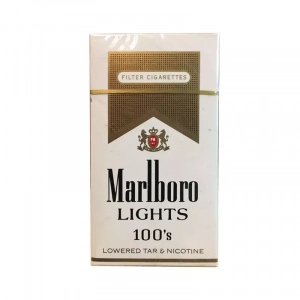
This is why loyal users of major families such as Marlboro often reject technically similar alternatives – mismatch beats similarity.
Memory Reference Overrides Comparison
Internal reference is stronger than external comparison.
Ritual and Habit Loop Reinforcement
Smoking behavior is ritualized. The ritual includes pack handling, opening style, stick appearance, draw rhythm, and break timing. Brand becomes embedded inside that ritual.
Ritual elements include:
• pack recognition
• opening motion
• stick look and feel
• expected first puff behavior
• break-time association
When brand and ritual are linked, loyalty strengthens.
The Pack as a Behavioral Cue
The pack itself becomes a cue in the habit loop. Visual recognition triggers expectation and readiness. This cue-response cycle reinforces repetition.
Smokers loyal to structured brands like Kent often describe their choice in ritual terms rather than technical terms.
Cue Consistency Builds Attachment
Stable cues build stable attachment.
Identity and Self-Description Factors
For some smokers, brand choice becomes part of self-description. They associate their brand with a style, era, or personality direction. This is especially common with brands that have strong visual or heritage positioning.
Identity-linked loyalty tends to be more resistant to switching because the product is no longer just functional – it is symbolic.
Symbolic Fit Matters for Some Users
Symbolic fit can include:
• perceived sophistication
• perceived minimalism
• perceived boldness
• perceived smoothness
Different brands project different identity signals, and smokers align with them.
Symbolic Alignment Reinforces Habit
When identity and habit align, loyalty becomes more durable.
Stability of Experience Over Time
Long-term smokers often value stability over optimization. They prefer a stable, known experience rather than chasing a theoretically better one. Even when they try alternatives, many return to their baseline brand.
This pattern appears across multiple slim and super slim loyal segments, including users of brands such as Esse.
Stability Beats Experiment After Habit Forms
Experimentation dominates early stages. Stability dominates later stages.
Habit Phase Changes Decision Logic
Decision logic shifts from exploration to preservation.
Product-Level Anchors Strengthen Loyalty
Specific product variants – not only brand families – can become anchors. A smoker may be loyal not just to a brand but to a precise variant.
Examples of product-level anchors include:
• Marlboro Red
• Kent HD 4
• Esse 1
Variant anchoring increases switching resistance because substitutes feel further away.
Variant Anchors Narrow Acceptable Range
The more specific the anchor, the narrower the acceptable substitute range.
Narrow Range = Strong Loyalty
Narrow tolerance range indicates strong loyalty structure.
Why Price Alone Rarely Breaks Loyalty
Price changes can influence brand choice, but price alone rarely breaks deep loyalty unless the change is large and persistent. Loyal smokers often adjust quantity before changing brand.
Price sensitivity is moderated by:
• taste memory strength
• ritual depth
• variant anchoring
• identity fit
Price Influences Entry, Not Always Retention
Price often affects trial – not long-term retention.
Retention Is Multi-Factor
Retention depends on structure, not a single variable.
When and Why Brand Loyalty Breaks
Even strong cigarette brand loyalty is not unbreakable. While many smokers stay with one brand for years, certain triggers can weaken or reset loyalty patterns. These triggers are usually structural – not emotional – and often relate to availability, variant changes, or repeated expectation mismatch.
Loyalty typically weakens when:
• the preferred variant becomes unavailable
• taste direction changes noticeably
• format changes disrupt habit rhythm
• repeated packs feel inconsistent
• the smoker’s own habit pattern shifts
Brand loyalty is stable – but not immune to friction.
Availability Is a Major Disruption Factor
One of the strongest loyalty breakers is simple: product availability. If a smoker cannot reliably obtain their preferred variant, forced substitution begins. Repeated substitution increases the probability of permanent switching.
Availability pressure often pushes smokers to compare across nearby brand families rather than far outside their format class. This is why cross-brand comparison reading – such as the comparing global cigarette brands guide – becomes relevant at the moment of forced choice.
Forced Switching Creates New Anchors
When substitution repeats enough times, a new anchor can form and replace the old one.
Taste Drift and Expectation Mismatch
Perceived taste drift – whether real or interpreted – can weaken loyalty. If a smoker believes their usual product “no longer tastes the same, trust decreases even if the technical difference is small.
Taste drift perception may come from:
• real blend adjustment
• filter behavior change
• storage variation
• smoker sensitivity change
• comparison with a recent alternative
Once expectation mismatch appears repeatedly, loyalty softens.
Perception Matters More Than Measurement
Measured change can be small while perceived change is large. Behavior follows perception, not lab data.
Trust Is Sensory
If sensory trust drops, loyalty weakens.
Habit Pattern Changes Over Time
Smoking behavior is not static across years. Puff rhythm, frequency, and tolerance can change. When habit pattern changes, format preference may also change.
For example, smokers sometimes move:
• from regular to slim
• from full density to lighter perception
• from strong aroma to cleaner finish
This creates migration across brand families and format groups such as slim-oriented lines including Sobranie.
Format Migration Is Common
Format migration is more common than brand abandonment without format change.
Structure Change Drives Brand Change
Structure shift often comes first – brand shift follows.
Social Influence and Peer Environment
Social environment can also influence loyalty patterns. Group smoking behavior often creates temporary switching through exposure and shared packs. Repeated exposure lowers switching resistance.
This is especially visible in social-smoking contexts, analyzed in detail in the social smoking and brand choice article.
Shared Packs Create Trial Moments
Trial moments often begin through shared packs rather than deliberate purchase.
Trial Lowers Barrier
Lower barrier increases switching probability.
Variant-Level Loyalty vs Brand-Level Loyalty
Not all loyalty operates at the same level. Some smokers are loyal to a brand family, while others are loyal to a specific variant only.
Variant-level loyal smokers will reject even close siblings inside the same brand if the variant anchor changes.
This type of loyalty is narrower but often stronger.
Narrow Anchors Break Faster Under Disruption
The narrower the anchor, the stronger – but also more fragile – the loyalty when disrupted.
Narrow = Strong but Sensitive
Precision loyalty is powerful but sensitive.
The Role of Comparison Behavior
When loyalty weakens, comparison behavior increases.
Smokers begin actively comparing aroma, draw, and session curve across alternatives.
Taste vs aroma distinction becomes especially important at this stage, which is why deeper sensory comparison reading – such as the cigarette taste vs aroma guide – supports more structured switching decisions.
Structured Comparison Reduces Random Switching
Structured comparison produces more stable replacement choices.
Method Beats Guessing
Comparison method improves outcome quality.
When It Makes Sense to Stay With the Same Brand
Staying with the same brand makes sense when three conditions are stable:
• sensory expectation is met
• availability is reliable
• session behavior matches habit
In this case, switching produces more friction than benefit. Many long-term smokers remain inside stable brand families such as Parliament because structural consistency matches their habit pattern.
Stability Is a Valid Outcome
Not switching is not inertia – it can be a rational result of stable fit.
Fit Justifies Loyalty
Consistent fit supports consistent choice.
When It Makes Sense to Re-Evaluate
Re-evaluation becomes rational when mismatch signals repeat across multiple packs, not just once.
Mismatch signals include:
• repeated disappointment
• noticeable rhythm discomfort
• persistent aftertaste dissatisfaction
• draw behavior irritation
At that point, structured comparison is justified.
Compare Within Format First
Switching works best when done inside the same format class first. For example, slim-format smokers should compare slim brands before jumping to regular formats.
Reading format-cluster guides such as the best super slim cigarettes overview helps narrow comparison logically.
Narrow Comparison Produces Clearer Results
Fewer changing variables produce clearer conclusions.
How New Loyalty Anchors Form
New loyalty anchors form through repeated satisfactory sessions, not through one strong first impression. Repetition builds trust, and trust builds attachment.
Anchor formation usually requires:
• repeated positive sessions
• stable draw behavior
• predictable taste direction
• low disappointment variance
Once a new anchor forms, switching resistance rises again.
Repetition Builds Trust Faster Than Novelty
Novelty attracts – repetition retains.
Trust Is Built, Not Claimed
Trust comes from repeated confirmation.
The Role of Taste Memory Over Time
Taste memory does not stay perfectly static. It evolves with habit and exposure. Smokers sometimes reinterpret brands after long intervals because their internal reference changed.
Long-term taste memory effects are analyzed further in the taste memory and cigarettes article, which explains how sensory reference points shift.
Memory Drift Explains Late Switching
Late switching often follows memory drift rather than product change.
Reference Points Move
When reference moves, preference can move.
Practical Model for Brand Decisions
A simple practical model for smokers:
1. Identify your format comfort
2. Confirm draw compatibility
3. Evaluate full session curve
4. Check repeatability across packs
5. Only then form loyalty
This model reduces impulsive switching and improves long-term satisfaction.
Method Reduces Regret
Decision method lowers regret probability.
Structure Supports Confidence
Structured decisions feel more confident.
Final Takeaway
Cigarette brand loyalty is built from taste memory, ritual behavior, identity alignment, and session predictability. It is strong but adaptive. Smokers stay loyal when structure and expectation match – and they switch when repeated friction appears.
Understanding loyalty as a behavioral system – not just a preference – explains both long-term attachment and sudden change.





Add comment
You must be logged in to post a comment.