
IQOS vs Cigarettes: Understanding the Real Differences in Format, Experience, and Use
Quick Answer
IQOS ILUMA with TEREA sticks and traditional cigarettes are built on completely different usage formats. Cigarettes rely on direct combustion, while ILUMA systems operate with blade-free heated tobacco sticks. The difference is not just technical – it changes how users evaluate flavor stability, device maintenance, and format predictability. Understanding these structural differences helps readers compare formats more clearly instead of relying on marketing labels or brand myths.
Who This Guide Is For
This guide is written for readers who:
• want a structured comparison between heated tobacco systems and cigarettes
• are trying to understand how ILUMA device lines differ from classic smoking formats
• want a neutral, format-level explanation instead of brand advertising
• compare stick systems like TEREA with traditional cigarette packs
• evaluate device ecosystems before choosing a format
This is a format analysis article – not a product promotion page.
Format Difference: Combustion vs Controlled Heating
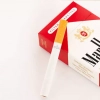
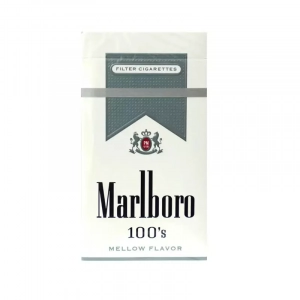
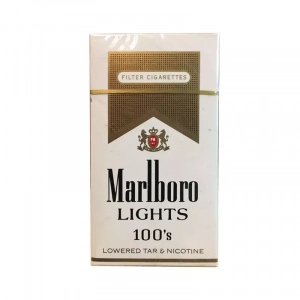
Traditional cigarettes are based on open combustion. The tobacco is burned, and smoke is produced through direct fire contact. Product comparison inside cigarette categories usually focuses on:
• brand positioning
• blend profile
• filter structure
• size and format
• perceived strength
Heated tobacco systems such as ILUMA operate differently. Instead of open combustion, the device uses controlled heating technology with compatible sticks.
Examples of ILUMA device formats available in the store ecosystem include:
• IQOS ILUMA Azure Blue
• IQOS ILUMA Moss Green
• IQOS ILUMA Pebble Beige
These are device platforms – not tobacco products themselves – which is an important structural distinction when comparing with cigarettes.
Blade-Free ILUMA System vs Older Heating Designs
One major structural shift in newer heated tobacco systems is the blade-free chamber design used in ILUMA generation devices.
This changes:
Maintenance Logic
Older heating systems often required:
• internal blade cleaning
• residue removal after repeated use
• stick insertion precision
Blade-free ILUMA formats reduce mechanical contact inside the chamber. This affects:
• cleaning routines
• stick insertion tolerance
• chamber durability perception
• user handling habits
Device variants illustrate how this ecosystem is structured:
• IQOS ILUMA One Azure Blue
• IQOS ILUMA Prime Obsidian Black
Different device tiers represent ecosystem segmentation – not strength or flavor differences.
Stick Ecosystem: TEREA vs Cigarette Packs
Cigarette products are sold as finished units – brand + blend + filter + pack size.
Heated systems separate the ecosystem into:
• device platform
• compatible sticks
• format series
TEREA sticks are designed specifically for ILUMA blade-free systems. Examples of confirmed existing TEREA product URLs from the whitelist include:
• TEREA Blue
• TEREA Bronze
• TEREA Turquoise
This separation between device and stick line is one of the biggest conceptual differences compared to cigarette packs.
Experience Comparison: Session Structure vs Continuous Burn
Cigarette Use Pattern
Traditional cigarettes follow a continuous burn model:
• ignition
• steady burn
• user controls pacing
• session length depends on draw rate
Comparison factors typically include:
• strength feel
• throat impact
• aroma persistence
• filter behavior
Heated Stick Session Pattern
ILUMA + TEREA sessions are device-controlled:
• timed heating window
• controlled cycle length
• session limits built into device logic
• predictable usage duration
Example stick variants showing the ecosystem range:
• TEREA Sienna
• TEREA Teak
The comparison is therefore session model vs burn model, not simply product vs product.
Perception vs Structure: Why Comparisons Often Go Wrong
Many comparisons between IQOS systems and cigarettes fail because readers compare:
• brand vs device
• flavor vs hardware
• pack vs ecosystem
• blend vs heating platform
A more correct comparison structure is:
Correct Comparison Framework
• device platform cigarette format type
• stick line cigarette blend family
• session model burn model
• maintenance cycle pack usage pattern
Without this structure, comparisons become inconsistent and misleading.
Experience Model: Device Session vs Free-Burn Session
When readers compare heated tobacco systems and cigarettes, they often compare taste first. In practice, the bigger difference is session control model – how the usage cycle is structured.
Cigarette Session Model
A cigarette session is user-controlled:
• ignition starts the cycle
• pacing is fully manual
• session length varies by draw rhythm
• burn continues between puffs
• interruption wastes product
This creates high flexibility – but also variability.
To understand how cigarette formats are grouped structurally, it helps to look at organized catalog groupings such as Shop catalog.
ILUMA + TEREA Session Model
ILUMA systems use a device-controlled heating cycle:
• start button begins session
• heating is regulated
• time window is fixed by device logic
• pauses are limited
• cycle ends automatically
Device tiers illustrate how the platform is segmented without changing the core session logic, for example:
• IQOS ILUMA Prime Jade Green
• IQOS ILUMA Prime Bronze Taupe
These are platform variations – not strength or flavor categories.
Flavor Stability vs Flavor Evolution
Another key difference is how flavor behaves across the session.
Cigarette Flavor Curve
Cigarette flavor usually evolves across the stick:
• early phase – lighter perception
• mid phase – stable body
• late phase – denser, warmer profile
This is a burn-driven flavor curve.
Cigarette comparisons are therefore often organized at category level, such as Cigarettes category.
Heated Stick Flavor Curve
TEREA sticks are designed for more stable session delivery inside the device heating window.
Examples of existing TEREA stick variants in the ecosystem include:
• TEREA Amber
• TEREA Yellow
• TEREA Silver
The perception difference is typically described as:
• more uniform across the cycle
• less late-phase spike
• more controlled delivery window
This is a device-regulated flavor curve.
Maintenance and Handling Differences
Format comparison should also include handling and maintenance – not only taste.
Cigarette Handling Model
Cigarette usage involves:
• pack storage
• lighter or ignition source
• ash management
• odor persistence
• disposal after session
Maintenance is external – not device-based.
ILUMA Device Handling Model
ILUMA platform handling includes:
• device charging
• holder rotation
• chamber inspection
• stick compatibility
• accessory ecosystem
Compact device variants show how portability tiers are structured, for example:
• IQOS ILUMA One Moss Green
• IQOS ILUMA One Pebble Beige
This is closer to a device ecosystem than a pack product model.
Use-Case Scenarios: When Each Format Fits Better
Situations Where Cigarette Format Fits Better
Cigarette format is often preferred when:
• full pacing freedom is important
• device charging is inconvenient
• spontaneous use matters
• long free-rhythm sessions are preferred
• hardware dependency is undesirable
Situations Where ILUMA + TEREA Fits Better
Heated stick systems are often preferred when:
• session predictability is valued
• device ecosystem is acceptable
• maintenance is structured
• format consistency matters
• hardware control is preferred
Some stick variants illustrate how the line is diversified inside the same device platform:
• TEREA Mauve Wave
• TEREA Summer Wave
Format suitability depends more on usage model than brand preference.
Why Direct “Which Is Better Comparisons Are Misleading
They Solve Different User Problems
Cigarettes and ILUMA systems are built to solve different format goals:
• cigarettes → combustion session freedom
• ILUMA → controlled heating session structure
A fair comparison is not “better vs worse, but:
Better For Which Use Pattern
• better for free rhythm
• better for device-controlled cycles
• better for hardware ecosystems
• better for pack simplicity
Without use-pattern context, comparisons lose meaning.
Pros and Limitations: IQOS ILUMA + TEREA vs Traditional Cigarettes
A balanced comparison should always include both strengths and constraints. Heated tobacco systems and cigarettes are built on different usage models – so their pros and limits also differ structurally.
ILUMA + TEREA System – Main Advantages
Heated tobacco device ecosystems such as ILUMA are typically valued for:
• device-controlled session length
• blade-free chamber design
• stick compatibility structure
• predictable heating cycle
• reduced internal mechanical contact
• platform tier choices (standard / One / Prime)
Examples of confirmed ILUMA device variants inside the ecosystem include:
• IQOS ILUMA Sunset Red
• IQOS ILUMA Prime Golden Khaki
These illustrate platform diversity rather than taste differences.
ILUMA + TEREA System – Practical Limitations
At the same time, heated device systems involve trade-offs:
• device dependency
• charging requirement
• hardware lifecycle
• compatibility limits (specific sticks only)
• ecosystem lock-in
• accessory reliance
This is closer to a tech platform model than a disposable pack model.
Traditional Cigarettes – Main Advantages
Classic cigarette format is typically valued for:
• no device requirement
• universal ignition simplicity
• format familiarity
• flexible session pacing
• no charging cycle
• pack-based logistics
The structure is self-contained and does not depend on hardware platforms.
Traditional Cigarettes – Practical Limitations
Limitations often include:
• continuous burn model
• session interruption waste
• ash handling
• ignition dependence
• pack exposure sensitivity
These are structural format traits – not brand traits.
Decision Guide – How to Choose Between Formats
Instead of asking “which is better, use a structured decision path.
Step 1 – Choose Your Session Control Preference
Ask first:
• want device-controlled session → ILUMA system
• want free pacing → cigarettes
Session control is the primary separator.
Step 2 – Choose Hardware vs No-Hardware Model
Preference check:
• comfortable with device ecosystem → heated system
• prefer no hardware dependency → cigarettes
This single factor eliminates most mismatches.
Step 3 – Choose Ecosystem Depth vs Format Simplicity
Ecosystem model includes:
• device tiers
• stick lines
• compatibility rules
Simple format model includes:
• pack
• lighter
• session
Choose based on tolerance for system complexity.
Expert Comparison Tips
Tip 1 – Compare Format to Format, Not Brand to Device
Correct comparison pairs:
• device platform cigarette format
• stick line cigarette blend family
Wrong comparison:
brand vs device.
Tip 2 – Evaluate Over Multiple Sessions
Single-session impressions are unreliable. Format perception stabilizes after repeated use.
Tip 3 – Keep Use Conditions Constant
When comparing formats:
• similar environment
• similar time window
• similar pacing intent
Otherwise context distorts perception.
Compliance and Purchase Context Matters
Format choice also interacts with regulatory and compliance context. Readers evaluating heated systems and cigarettes often review legal and compliance framework pages such as:
Tobacco Licenses & Legal Compliance
Understanding compliance context supports informed format decisions.
FAQ – IQOS ILUMA vs Cigarettes
Do ILUMA devices and cigarettes deliver the same session model?
No – one is device-timed heating, the other is continuous combustion.
Are TEREA sticks usable in all IQOS devices?
No – they are designed for ILUMA blade-free systems only.
Is device tier (Prime / One / standard) a taste difference?
No – it is a hardware tier difference.
Are cigarettes more flexible in pacing?
Yes – pacing is fully user-controlled.
Is ILUMA more predictable per session?
Yes – device logic defines the cycle window.



Add comment
You must be logged in to post a comment.